


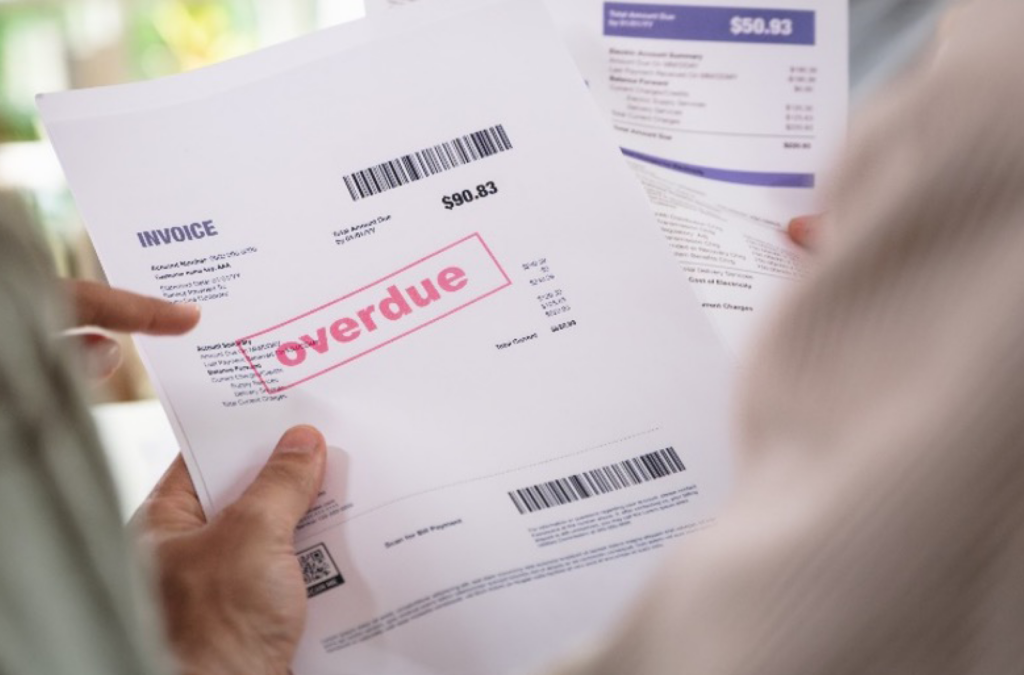
Utilities Expense Management (UEM) is the process of centrally managing an organization’s utility costs, such as electricity, gas, water, and waste, to improve visibility and reduce costs. For organizations with complex, multi-location operations, UEM plays a critical role as energy costs rise and billing becomes more fragmented.
Many enterprises and government agencies manage hundreds, or even thousands, of utility accounts. Without a centralized approach, utility data is often entirely disconnected, making it difficult for organizations to gain a clear understanding of true spend and usage. UEM connects those data points, giving organizations the oversight and information needed to manage utilities more strategically instead of reactively.
Why Is Utilities Expense Management Important?
UEM is a financial and operational discipline that directly affects budgets, risk exposure, and long-term efficiency. As utilities spending continues to represent a significant portion of operating costs, organizations increasingly need coordinated oversight and reliable data.
Better Spending Visibility
Centralized UEM provides a real-time view of usage and costs across locations and service types. Instead of juggling multiple portals and spreadsheets, organizations can see their entire utilities environment in a single pane of glass, making spend easier to understand and manage.
Improved Cost Control and Accuracy
Consolidated utilities data enables more accurate forecasting and budget alignment. With consistent visibility into historical and current spending, organizations can find opportunities to cut costs and identify occurrences of over-billing.
Fewer Billing Errors and Less Financial Risk
Continuous auditing flags overcharges, duplicate bills, incorrect rates, and late fees before they impact the bottom line. Automated workflows also help organizations stay on top of payments.
Support for Sustainability and Energy Efficiency Goals
Usage insights lead to improved energy efficiency and sustainability efforts. UEM provides the data needed to track consumption and measure goal progress over time. Moreover, UEM solutions have helped pinpoint undetected water leaks at facilities in consumption data, saving money and preventing potentially serious safety issues.
Which Industries Benefit From Utilities Expense Management?
Organizations with distributed operations, high utility usage, or complex vendor relationships often see the greatest value from utilities expense management. Here are some industries that can benefit from a UEM solution.
Government
Government entities manage large portfolios of facilities and utility accounts while operating under strict budget and compliance requirements. Proper expense management helps these agencies maintain accurate reporting across programs and locations.
Retail
Retailers operate brick-and-mortar stores and distribution centers, each with its own complex utility accounts. UEM solutions control costs while maintaining visibility into location-level performance and vendor activity, letting organizations make strategic decisions at individual locations.
Healthcare
Hospitals and healthcare systems require uninterrupted utility services to support patient care and maintain regulatory compliance. With utility expense management, hospitals get predictable oversight and effective cost control across campuses and facilities.
Manufacturing
Manufacturing facilities require high levels of energy, which becomes a major operating expense. UEM helps manufacturers monitor consumption and manage spend across sites, supporting organizational efficiency initiatives.
Key Components of Utilities Expense Management
Effective UEM is an ongoing process requiring more than just paying bills. Organizations need to implement these key components to optimize utility spend.
Centralized Utility Data and Invoice Management
Centralizing utility invoices and usage data into a single system minimizes administrative overhead and reduces the risk of errors. Instead of managing bills across multiple vendor portals, organizations can rely on a unified workflow for every step of the utility payment process.
Reporting, Analytics, and Insights
Reporting and analytics transform utility data into actionable insights. Dashboards and reports highlight trends, factors driving costs, and any anomalies that might indicate billing errors or inefficiencies. Organizations can analyze historical and real-time data to gain deeper insight into consumption patterns, enabling better operational decision-making and planning.
Ongoing Cost Optimization and Oversight
Utility expense management requires continuous monitoring to sustain savings over a long period of time. Proactive oversight lets organizations detect unusual consumption or variances in usage that may signal operational issues. This ongoing approach prevents cost creep and keeps optimization efforts running smoothly.
Compliance, Auditing, and Risk Management
Auditing and internal controls support regulatory compliance and governance requirements, particularly for organizations in highly regulated fields. Consistent invoice validation, documentation, and reporting reduce financial and operational risk while improving accountability and audit preparedness.
Utility Expense Management vs. Utility Bill Management
Utility expense management and utility bill management may seem like similar strategic approaches, but bill management falls short of expense management’s comprehensiveness.
- Utility bill management focuses on receiving and paying invoices. While necessary, this approach addresses only part of the challenge.
- Utility expense management takes a strategic, end-to-end view that includes centralized data management, validation, analytics, optimization, and governance.
The broader scope of UEM supports cost control and informed decision making, not just payment processing.
Getting Started With Utilities Expense Management
Organizations looking to implement UEM will benefit from a structured, practical approach. Key first steps to take include:
- Assess current utility processes: Review how utility bills are received, validated, paid, and tracked across the organization.
- Identify data gaps and inefficiencies: Look for disconnected systems, redundant workflows, and any areas with limited visibility into usage or spend.
- Align internal stakeholders: Bring together finance, operations, facilities, and procurement teams to define shared goals and responsibilities.
- Define success metrics: Establish clear objectives, such as better cost control or stronger sustainability reporting.
These steps are a great way for organizations to begin building a foundation for effective, long-term utility expense management.
Choosing the Right Utility Expense Management Solution
Choosing the right UEM solution is crucial for long-term success. Organizations should look for platforms that automate manual processes, deliver deep reporting and analytics, and scale as organizations grow.
Equally important is finding a partner with experience supporting complex, multi-site environments and both public- and private-sector requirements. Integration capabilities, customization, and ongoing support are all important factors to consider.
Optimize Your Utility Spending with MetTel
MetTel helps organizations gain visibility, control costs, and remain compliant. Powered by the MetTel Portal, MetTel’s Utilities Expense Management solution centralizes billing, validates charges, processes payments, and delivers real-time insight into usage and spend.
Designed for enterprise and government environments, our UEM solution supports thousands of utility vendors and accounts while delivering savings and efficiency. With experience across public and private industries and a focus on long-term optimization, MetTel is your trusted UEM partner.